


03 Nov Parametric Insurance: A New Way to Manage Risk
Insurance traditionally works by reimbursing policyholders after they submit a claim and an adjuster evaluates the damage. With parametric insurance, we take a different approach. Instead of paying according to the exact financial loss, it provides predetermined payment when a specific, measurable event reaches an agreed threshold.
The “parameter” might be rainfall, wind speed, earthquake intensity, temperature, river levels, or the number of days a flight is delayed. Because the trigger can be verified through independent data sources, payment may be made quickly and without a lengthy claim investigation.
For example, a city could purchase parametric earthquake insurance that pays $10 million if an earthquake within its boundaries reaches magnitude 7.0 or greater and occurs within 20 miles of the city center. If those predefined conditions are met, the insurer pays the agreed amount regardless of the city’s actual repair costs. Because the payout is triggered by the earthquake’s measurable characteristics rather than a traditional damage assessment, funds can arrive quickly for emergency response, temporary shelters, debris removal, and infrastructure repairs.
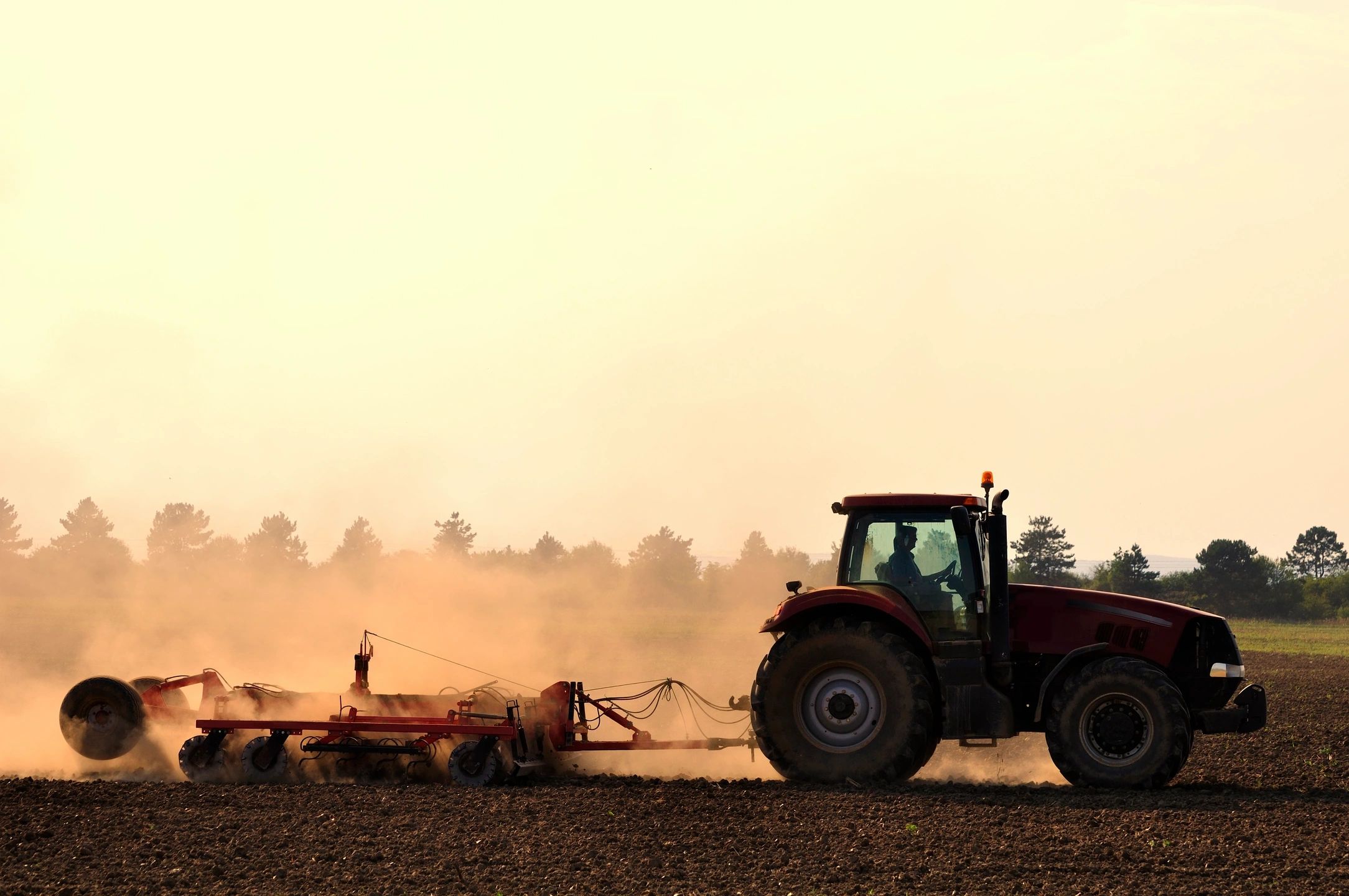
In another example, consider a farmer growing wheat in a drought-prone region. The farmer purchases a parametric policy that promises a payment of $20,000 if rainfall measured at an approved weather station falls below 100 millimeters during the critical growing season. If the recorded rainfall is only 70 millimeters, the policy pays automatically, regardless of the farm’s precise measured losses.
This arrangement can help the farmer purchase seeds, feed livestock, pay workers, or service loans before the financial effects of drought become overwhelming. It also reduces administrative delays, since the insurer does not need to inspect every field or calculate the value of each damaged crop.
Parametric insurance is useful beyond earthquakes and agriculture. Airlines can use it to compensate passengers or businesses when flights are delayed beyond a specified number of hours. Governments and humanitarian organizations can arrange policies that release emergency funds after hurricanes reach a certain wind speed. Renewable-energy companies may insure against unusually low levels of sunlight or wind that reduce electricity generation. Tourism businesses can protect revenue against extreme weather events.
The main advantage of parametric coverage is speed and certainty. Policyholders know in advance what event will trigger payment and how much they will receive. Insurers can process claims more efficiently, while customers gain access to funds when they may need them most. The product can also cover risks that are difficult to insure through conventional methods, particularly climate-related risks and large-scale disasters.
However, parametric insurance has an important limitation: the payout depends on the parametric trigger, rather than the policyholder’s actual loss. For example, a farm might suffer severe damage from localized hail even though the nearby weather station records conditions below the policy’s threshold. Conversely, the trigger might be reached while a policyholder experiences little or no damage.
For that reason, successful parametric policies require carefully selected parameters, reliable data, transparent measurement methods, and payout levels that reflect realistic exposure. Customers should understand exactly where data comes from, when it is recorded, and how disputes are handled.
Parametric insurance does not replace every traditional policy, but it can complement conventional coverage. By turning objective measurements into rapid financial support, it offers a practical tool for managing uncertainty. As weather volatility and economic disruption increase, parametric insurance may become an increasingly valuable part of modern risk management.