


21 Apr Beware of Property in Storage
One of the most important E&O loss prevention steps is exposure identification. In working with agencies, many do not engage in formal exposure identification in personal lines. While many commercial lines producers and account representatives use exposure checklists and questionnaires, that is not always the case in personal lines. This is probably because the revenue generated by personal lines does not justify the cost of extensive exposure identification.
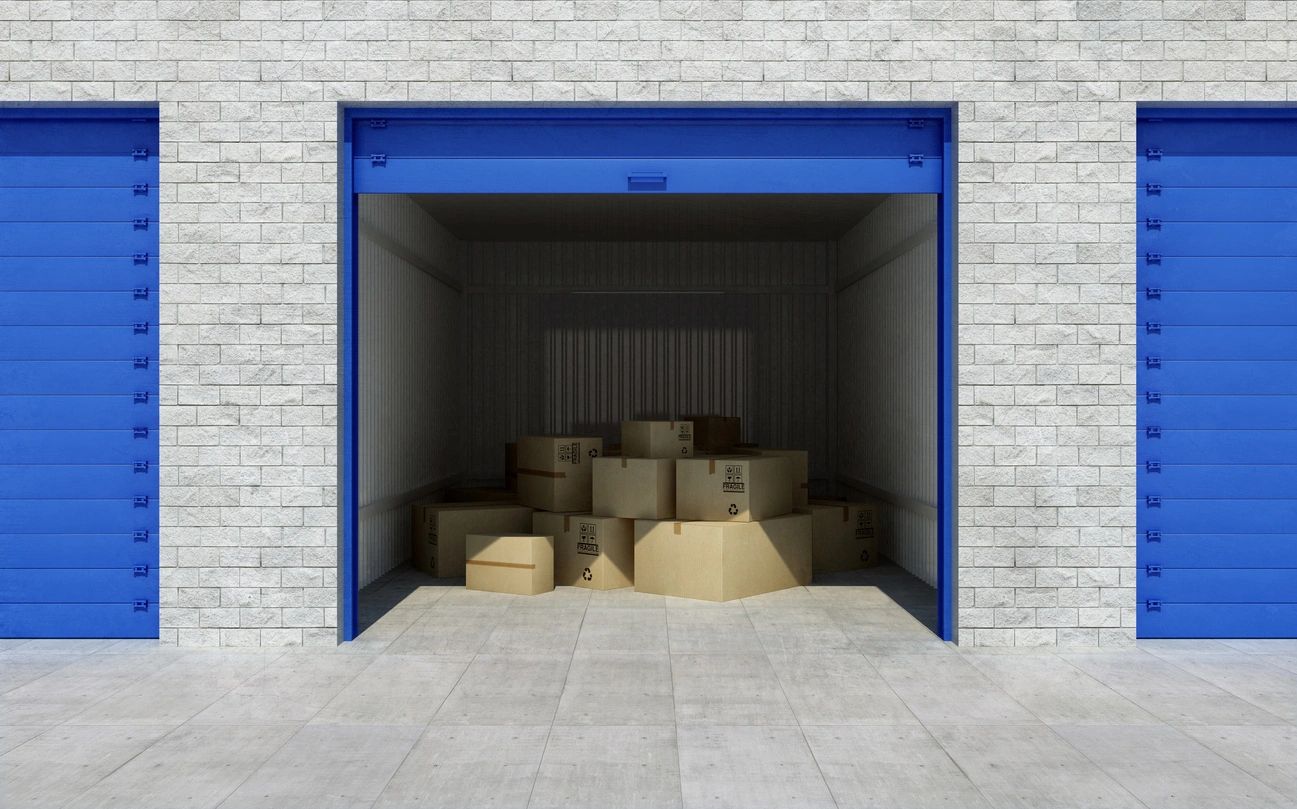
A current trend is downsizing. As people get older and their children leave the nest, they sell their large houses and move into smaller homes, condominiums, or apartments. Often, smaller living spaces do not accommodate all the accumulated personal property, so it is put into self-storage units.
One of my agent friends had a recent claim denied because of this exposure. His insureds sold their house and moved in with their in-laws. They bought an HO-4 tenant policy with a Coverage C Personal Property limit of $105,400. They put most of their furniture in storage.
Thieves broke into the storage unit and stole the furniture. The loss was $30,000. The carrier said a 10% limit applied ($10,540), and none of the three exceptions applied. The agent felt exception (3) applied because the property is usually located at an insured’s residence other than the “residence premises,” which in this case is the in-law’s house. He was at a stalemate with the carrier’s adjuster and wanted to know if I agreed with him or the carrier.
The ISO homeowner policy addresses stored property in Section I – Property Coverages, Coverage C – Personal Property, Limit for Property at other Locations. Item B deals with property in self-storage facilities.
Our limit of liability for personal property owned or used by an “insured” and located in a self-storage facility is 10% of the limit of liability for Coverage C, or $1,500, whichever is greater.
However, this limitation does not apply to personal property:
(1) Moved from the “residence premises” because it is:
- (a) Being remodeled, renovated or repaired; and
- (b) Not fit to live in or store property in; or
(2) Usually located in an “insured’s” residence, other than the “residence premises.”
In this case, the property was moved directly from the previous home to the self-storage facility. It was never located in the residence premises. In other words, it was not usually located in the in-law’s home where they were residing.
Unfortunately, I had to agree with the carrier. The property is clearly in a storage facility. This limit could have been increased using the PP 06 14 Increased Amount of Insurance for Personal Property Located in a Self-Storage Facility endorsement.
This is a good example why we need to understand our customers’ exposures. When you are notified that a client is down-sizing into a smaller home, do you ask the question, “Do you have any property in a self-storage unit?” If so, it is important to determine if the 10% limit is adequate, and if not, offer the increased amount of coverage endorsement. Sadly, in this instance, that wasn’t the case. The $19,460 gap in coverage could potentially become an E&O claim.